

Opinion: Ditch The Corporate Concert Circuit, Focus Local
One of the few shared cultural experiences we have remaining in this country is the technological trap door that is the ON SALE NOW ticket queue for the hottest show that you just have to splurge on this summer; the Sabrina Carpenter, Taylor Swift, Oasis experiences that often put fans in precarious financial situations to attend. Widely viewed as a religious pilgrimage of sorts, these are opportunities to see their deities in flesh and blood, from merely hundreds of yards away on screen and truss. These announcements spark fervor in the masses: Like. Share. Reshare. Add To Story. Mind-blown emoji. Yes, opt in to the Early-Bird Loyalty Program. Yes, approve Terms & Conditions.
Perhaps these ‘break the internet’ moments are to blame for the rapid decline in our collective online experience over the last decade? I’m not sure who or what broke the internet, but it's in a billion pieces. Hundreds of billions. That very same number of dollars are generated and collected each year by the titanic live event promotion duopoly in North America, by way of Ticketmaster or AXS, and if you travel in steerage like the rest of us, check the secondary market (StubHub) for a really diabolical mark-up. The ship is taking on water and no help seems to be on the way for search and rescue, despite flaring attempts by some lawmakers to address the absolute monopolistic behavior responsible for steering us straight into the iceberg. Alas, the musicians play as the bow lifts into the heavens and the stern is swallowed into cold, quiet darkness.
The irony is not lost on me, being a former employee of one side of the live event duopoly that jumped ship and swam to the other, now occupying the pulpit to preach systematic severance from them. I’ve worked for both Live Nation and AEG and have seen how the sausage is made, and it ain’t pretty. I also see these massive tour announcements (and often know they’re coming before you do) and think, “Damn.. Am I driving to Atlanta to see Wu-Tang?”
I’m not the perfect vessel for this complicated message working in live event production. As a musician and songwriter for what are brazenly called “baby bands”, which essentially refers to a lack of financial backing from a successful parent, angel donor, or corporate affiliation to keep us afloat, I’ve navigated experiences of varying degrees of “importance” and “success”, whatever the fuck that even means now. My current band is full of blue-collar musicians, often balancing multiple jobs and injecting our own capital to keep the dream alive and relatively functional. On the other end of my reality, I see people even at the large club or amphitheater level struggling to make ends meet, as the costs of touring have skyrocketed since 2020. Seeing how this works on each milestone on the “success spectrum” as both crew and creative, I feel I have a unique perspective and exposure to trends (and flops).
This brings me to the flagrant and aggressive prompt suggested in the title of this piece: ditch the corporate song and danceries for a more curated and local approach (when you can). Should you not go see Cher with your grandmother? Fuck yes, you should! If you and your boys road-tripped to see Oasis in Chicago, that’s fucking incredible and I hope you lads (1) actually remember it and (2) had a blast. What I’m proposing is if you’re willing and able to invest capital at that level to a corporate, publicly traded, entertainment overlord, then you have some spare change laying around for your local 100- to 400-capacity clubs and the bands and artists that haunt them.
Even the Talking Heads came up in local dive-bars, as David Byrne announces festival headlines and small stadium/arena runs this year. In my circle, we talk about being one of the dirtbags in NYC seeing Blondie, TV on the Radio, or Talking Heads, or in Ohio to see DEVO, or in Detroit to see Iggy and the Stooges or The White Stripes, or in Atlanta to see Outkast, playing the quintessential small club culture incubators of their time. Those places (maybe not literally) are still here and that same caliber of artist, at this very moment, is cutting-teeth and on the brink of world domination, for the low low price of $12 plus tax. (Plus beers are $4, and they throw in a shot of Malört for another $5, I mean, c’mon, y’all.)
I see this trend coming into fruition as costs across the board continue to rise in this country, and the corporate dog-and-pony show tours and festivals become as much of a financial investment as a down payment on a brand-new vehicle. I also see and hear of the quality decline of some of these newly acquired festivals for both consumer and artist, leaving bitterness in the wake of cancellations, poor planning and infrastructure, and straight-up fraud in some cases.
Again, you will absolutely see me at festivals, either playing, working, or attending. I might have big ideas of a life free of the commoditization of art and defeating the technological attempt of the elites to dispose of the artist, and I fully plan to exercise these demons out of my life, but I have fucking hefty bills to pay here in Nashville and their checks clear. I’m hoping to change things from the inside out, as much as I can. Let me reiterate that I’m such a complicated messenger here. I lose sleep knowing Zack de la Rocha would fucking despise me.
Realistically, cold turkey isn’t the only way. Think of this process in terms of food and beverage: small businesses or corporate chains, who deserves the most support? How does the quality of each stack up against the next? Of course, this is absolutely subjective, and I would never deny my comrades a Chili’s Triple Dipper and Happy Hour 25 oz beer in this economy. I’m suggesting that you hold space for your neighbors that opened a pub and kitchen, complete with equally as enticing happy hour specials. They could surprise you and become your new favorite spot you take your friends, bragging about how you found this place on a whim before it became a local staple.
We all have that friend, and if you don’t, you are that friend. What do you have to lose? Actually, that’s the wrong question. What do you have to gain? Simply, for the pure of heart, your next favorite band. For the clout chasers, an early entrance ramp to the next generation of household names, without blowing the budget. You can’t walk down the street and into a cocktail bar in East Nashville without a Libation Specialist boasting about seeing Chappell Roan at Basement East with only 400 people in attendance.
Twenty or thirty years ago, kids would show up to clubs or venues without any clue of who or what was playing because they trusted the vibe the local talent buyers curated. That type of opportunity to walk into a place, accidentally see someone like Chappell playing “Pink Pony Club” in a combination art gallery/coffee shop, which is now the highest form of cultural currency in some circles, as an easily affordable one. Our vintage clothing brandishing and bin-diving, record-head friends have perfected this art-sussing out the diamonds in the rough.
Those that are pure of heart walk inside smaller venues and see big stars, feeling the rush and realization that they’ve struck gold. WE found OUR newest obsession and they’re within arm’s reach of US. Those people can, and will, meet and connect with you after the show. I speak from experience, not only as an artist, but someone who speaks to them at a higher-level backstage: early connections are the strongest bonds you can make in the artist-fan relationship contract. Celebrities and visionaries never forget ones that rode hard for them first, before they had any hype or success at all.
Culturalistic snob fodder aside, you also risk gaining community. There’s a sense of excitement going to a show at a small club for an emerging artist you love, not only because you get to see them and support them directly, but because you get to see who else in your area is into the same niche music as you, or more accurately, on the same algorithm. People meet life-long friends, even spouses, at shows or festivals. Art, performative art specifically, is one of the last sacred spaces on earth that brings people together, along with feel-good stories of triumph, mutual outrage, and tragedy. At a small show, you find someone to root for on their journey. I just don’t feel the same at larger venues. The endless bathroom lines, long security queues, and general sense of collective isolation is overwhelming for me at a stadium or arena show. So is the lingering anxiety of forgetting which level I’m parked on, as scenes of the Seinfeld cast wandering aimlessly through a structure with no direction for hours dances in my brain.
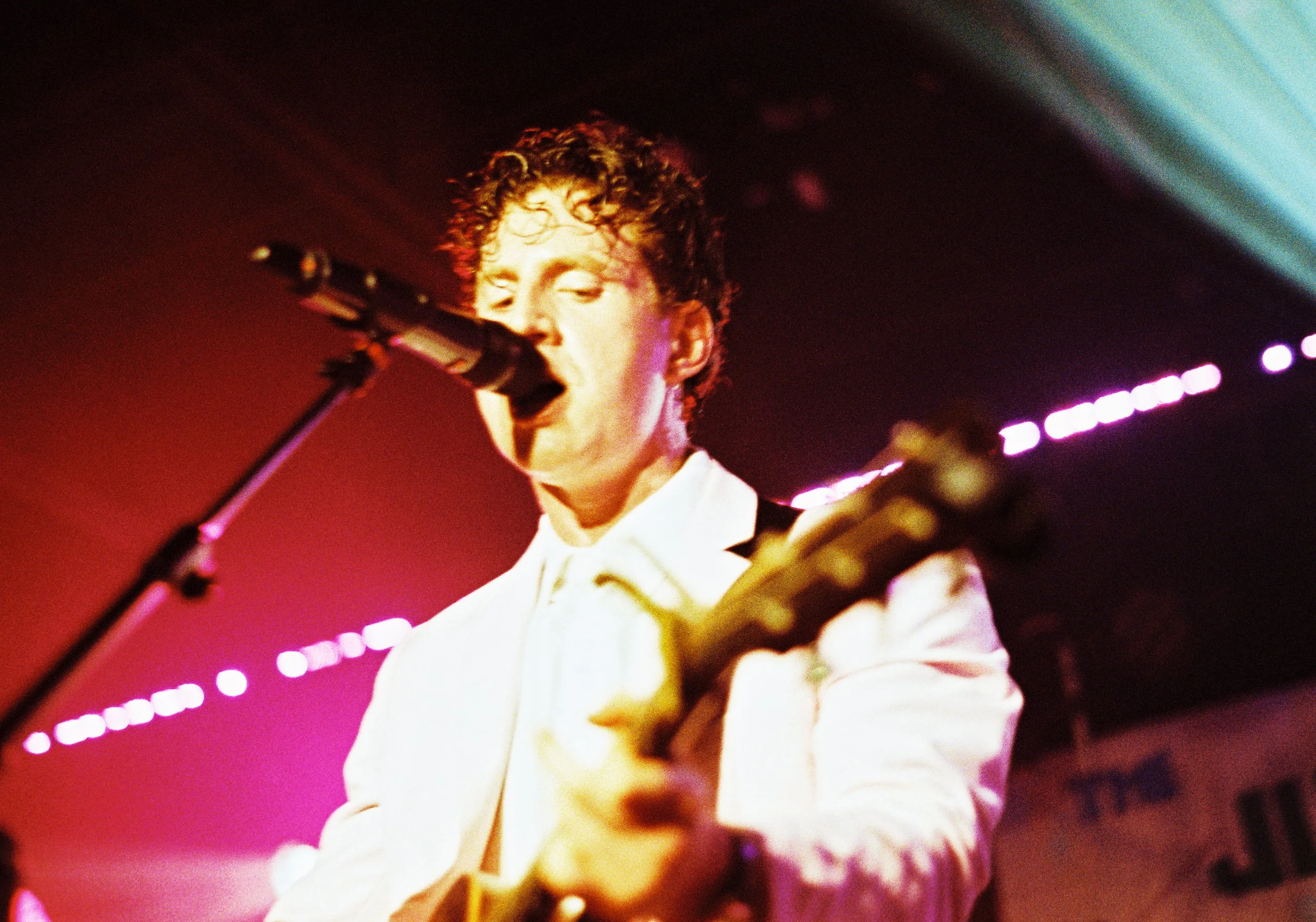
Imagine the core-memory experience of being in a 100-cap dive bar, an unknown band called Turnstile on stage doing a line-check, then... BOOM-the first notes hit. You and the people next to you are activated like the rejects of some sleeper-cell government experiment. The bliss of that raw, unbothered, uncut, angsty, high-vibrational energy flowing through your veins is a high no drug will ever replicate (unless you’ve ever been to Tijuana).
I’m still friends with people I’ve met at shows twenty years ago, and I’m still a fan of many bands I helped load in and out of dive bars, watching them headline theaters and open for icons in arenas. The argument here is not that those types of experiences exist only in the purity of more intimate shows. There are videos circulating of Swifties traveling from show to show, like fast-fashion Dead Heads, having communal, existential experiences in the nosebleeds on her tour, trading beaded wristbands decorated with lyrics of encouragement. I honestly love to see it (and have been gifted one of these wristbands). On the same level, stage-left of the spectrum, videos of bucket hat-laden, pub-crawling lads on the piss, swaying and leaning on each other for support during “Don’t Look Back In Anger” displaying how deeply and quickly music can mend hurt (and destroy toxic masculinity as you see bro wiping tears from the face of his fellow bro). That is truly beautiful.
The argument is that those experiences can exist for everyone, despite financial disadvantages. Had I had the means to get to Chicago and secure Oasis tickets, you bet your fucking ass I’d be there, complete with little sexy sunnies and a parka. In college, I remember seeing Macklemore in a 425-cap room for like $20, hours before “Thrift Shop” hit it big, and everyone in that room knew exactly what was about to happen to him. We felt like we knew someone Earth-shattering before everyone else did. Like many artist managers in Nashville say (over and over and over), “all it takes is one thing to pop-off,” and you’re blowing up like a rocket, launching into the stratosphere, slowly losing your perspective of the Earth below you.
Shared joy is owned by no one. This is what I want you to walk away from this piece remembering. There’s no service or processing fee to feel it. From my perspective, the greatest shared joy is through emotional performance. Sharing my joy of playing, singing of a deep pain or hurt, expressing myself, my truest self, and seeing that transfer via osmosis to those directly in front of me and seeing them actually understand is an experience I struggle to find words to describe. We need you. Small businesses need you. Local artisans need you. YOU are our lifeline. Connection online isn’t enough. Social media connection is ultra-processed, flavorless, canned SPAM in the creative-bond food pyramid-unsustainable, addicting, and horrible for you.
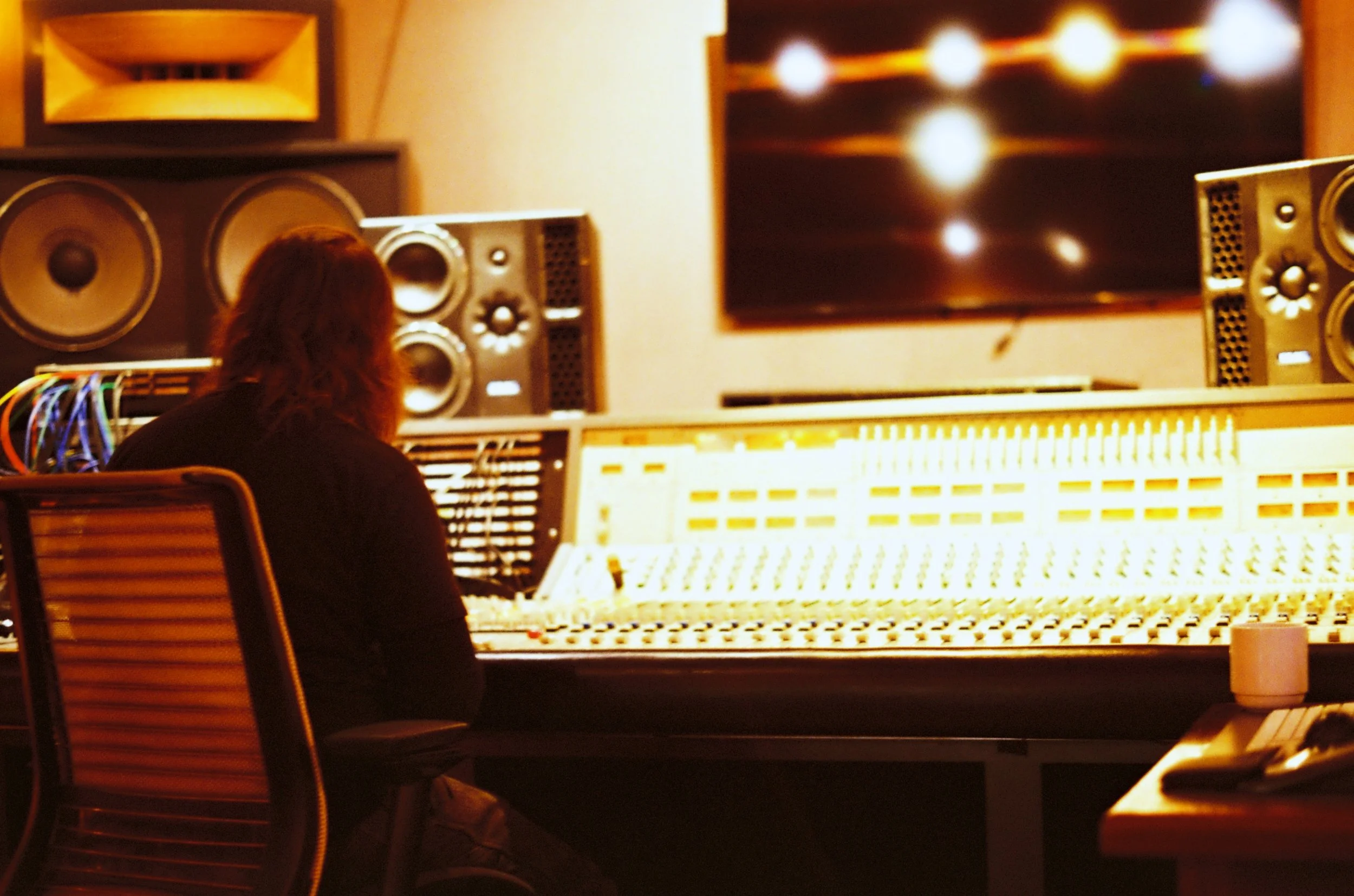
We need fresh ingredients, and live musical performance is necessary for the longevity of all of our souls. Sure, you can drive your father’s Porsche SUV to Whole Foods for your groceries. Congrats on the rich dad! Yes, you can wander into your friendly neighborhood Chili’s post-parking lot leftie before your movie starts. I’m simply asking that you don’t forget the underdogs. Don’t forget that your patronage and investment is representative of your values. Few people realize that their money is on Drago to defeat Rocky as they wave their American flags in the stands. Be cognizant of the art and the gallery. Your dollars go further for some artists than they do others. Remember to walk into the quaint and curated spaces. You may be surprised, stumbling into a quirky place, accidentally and immediately changing everything for yourself, discovering the next movement that opens up your world, decorating your atmosphere in truth, uniqueness, and authenticity. –sR